Specialty additives designed to reduce fuel consumption, optimize raw material utilization, and lower carbon intensity.
Precision additives engineered for specific plant operations β each platform addresses a defined problem, with validated results.
Rotary kilns in sponge iron plants consume large volumes of coal with suboptimal combustion efficiency and high volatile matter losses.
Precision chemical formulation applied at ~1% dosing on input coal β improves ignitibility, carbon burn-out, and energy release characteristics of the coal.
Reduced coal consumption per tonne of DRI; improved reduction efficiency; lower ash gangue carry-over.
Blast furnace PCI operations seek to reduce coke rates while maintaining reduction performance β but coal injection comes with combustion penalties.
Ultra-low dosing (~0.1% on PCI coal) modifies coal pore structure and reactivity, improving flame stability, ensures more efficient combustion in the BF resulting in lower LOI in the BF Flue dust.
2 kg/thm coke rate reduction in validated plant trials. 6-month pilot order received.
Coke breeze is the costliest input in sintering β inefficiencies directly inflate production cost per tonne of sinter.
Spray-applied catalyst on conveyor-fed coke breeze, compatible with air-atomising nozzle dosing systems. No process hardware modification required.
Reduced coke breeze consumption per tonne of sinter; improved combustion behaviour; better sinter quality.
Coke quality variability β CSR, CRI, and bulk density β affects blast furnace performance and downstream operating costs.
Coal blend modifiers, moisture management chemistry, stamp charge optimisation, and organic polymer coating systems.
Improved CSR, reduced CRI, more consistent coke quality; better charge behaviour and pushing performance.
Bentonite and molasses-based binders introduce sulphur, moisture sensitivity, and inconsistent green strength in pellets and briquettes.
Next-generation organic binder systems for chrome ore pelletising, ferrochrome briquetting, LD sludge briquetting, BF flue dust cold bonding, and DRI fines recovery.
Sulphur-free operation; improved drop strength and process consistency; cleaner, higher-performance agglomerates.
India generates ~3.2β3.3 MT/yr of mill scale β an iron-rich waste stream with disposal cost and environmental liability.
Patent-protected formulation that enables high-rate mill scale iron recovery in induction furnace operations β converting a waste stream into a value-creating input.
Eliminates mill scale disposal cost; reduces primary iron input; circular economy story. Patent-protected formulation validated at major Indian steel plants.
Carbon enhancement in metallurgical processes offers meaningful performance gains but lacks practical delivery chemistry.
Nano-carbon liquid additive systems targeting carbon interaction chemistry in coal and coke applications.
Research and early pilot validation stage. Potential applications in coke quality improvement and coal reactivity enhancement.
ACL's technologies are engineered for the sectors where process chemistry translates most directly into cost and sustainability outcomes.
Blast furnaces, sinter plants, coke ovens, and rolling mills β the core of integrated steelmaking.
Rotary kiln operations in the DRI cluster β coal consumption is the single largest variable cost.
Ferrochrome, ferromanganese, and silicomanganese smelters β high-energy, high-cost operations.
Chrome ore, iron ore, and manganese ore β agglomeration and pelletising across the mining supply chain.
By-product coke ovens, non-recovery ovens, and heat recovery ovens β process chemistry for quality and yield.
Pelletising, briquetting, sintering, and cold bonding β where fine concentrates become processable inputs.
Every product is developed through a structured pathway from laboratory to scale-up β validated under real plant conditions before commercial commitment.
ACL believes the most practical and fastest path to decarbonisation in heavy industry runs through the efficiency of existing operations β improved via scientifically engineered, low-dose additives.
ACL's products are commercially viable on their cost-savings merits β decarbonisation is a by-product, not a precondition.
Reduced coal and coke consumption directly lowers COβ output per tonne of steel. Aligns with India's Green Steel Taxonomy and EU CBAM priorities.
SACA turns mill scale β a 3.2 MT/yr Indian waste stream β back into an iron input. Agglomeration binders enable waste fines recovery.
Retrofit dosing into existing plant configurations β no new infrastructure, no process redesign, no capital outlay for the customer.
ACL's additive technologies are designed to deliver measurable performance gains today β with sustainability benefits that scale as Indian and global carbon frameworks tighten.
ACL is led by directors with deep experience in steel, mining, industrial chemistry, and project execution.

Mining and industrial infrastructure professional with nearly 15 years at Tata Steel across mining operations, technical advisory, and raw material marketing.
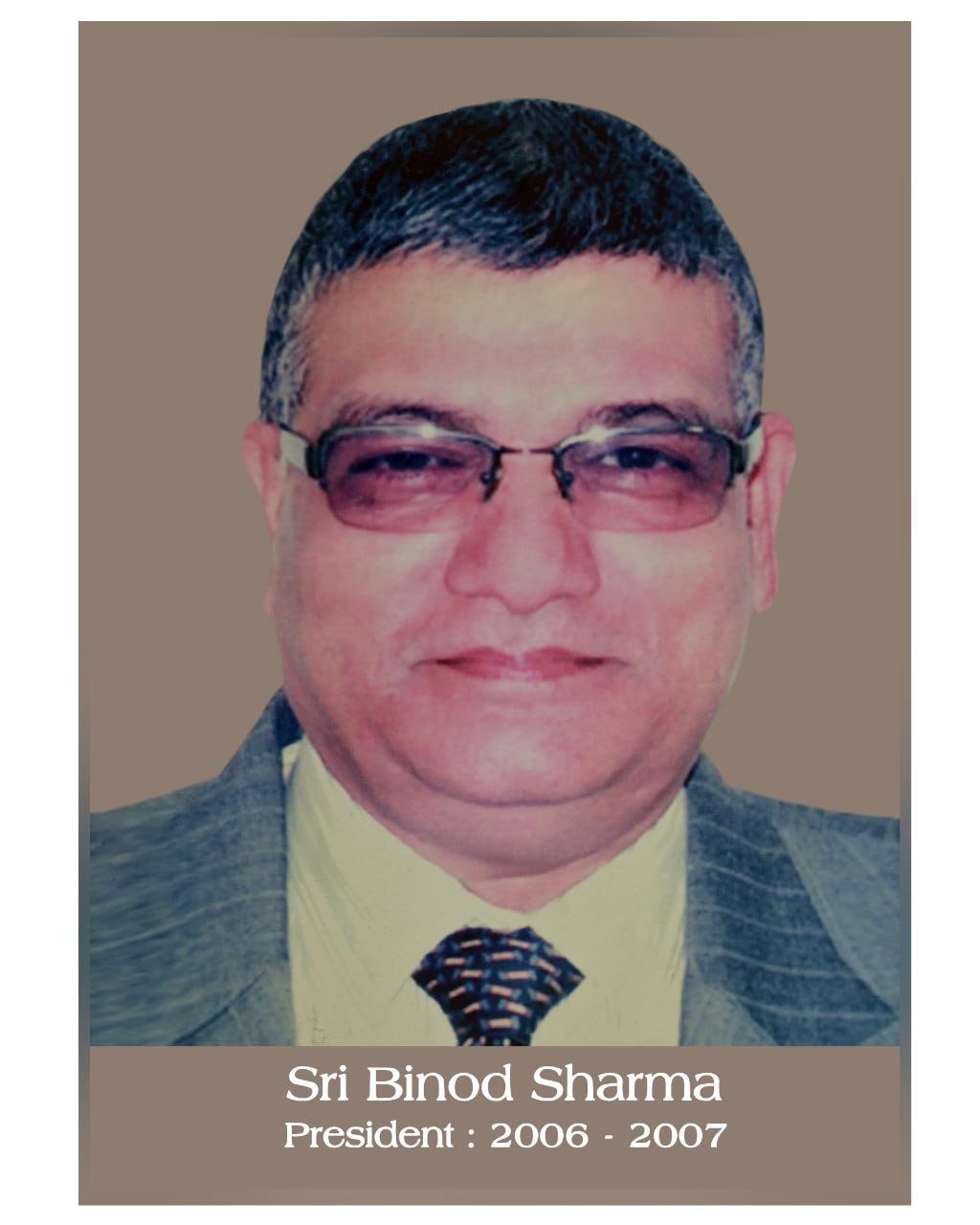
Seasoned industrial entrepreneur with 30+ years in specialty chemicals, mineral Beneficiation, and industrial materials. Joint patent holder with Tata Steel.

Industry veteran with 23 years of experience across the Iron and Steel sector. Proven track record in market innovation and new product launch.

DPIIT-registered startup director driving market strategy and commercialisation for specialty chemicals. Expert in translating technical innovations into scalable commercial partnerships.
Ready to explore a trial or want to understand how ACL's additives could work in your plant? Reach out β our team will respond within one business day.
Certificate No. DIPP230341 Β· Government of India